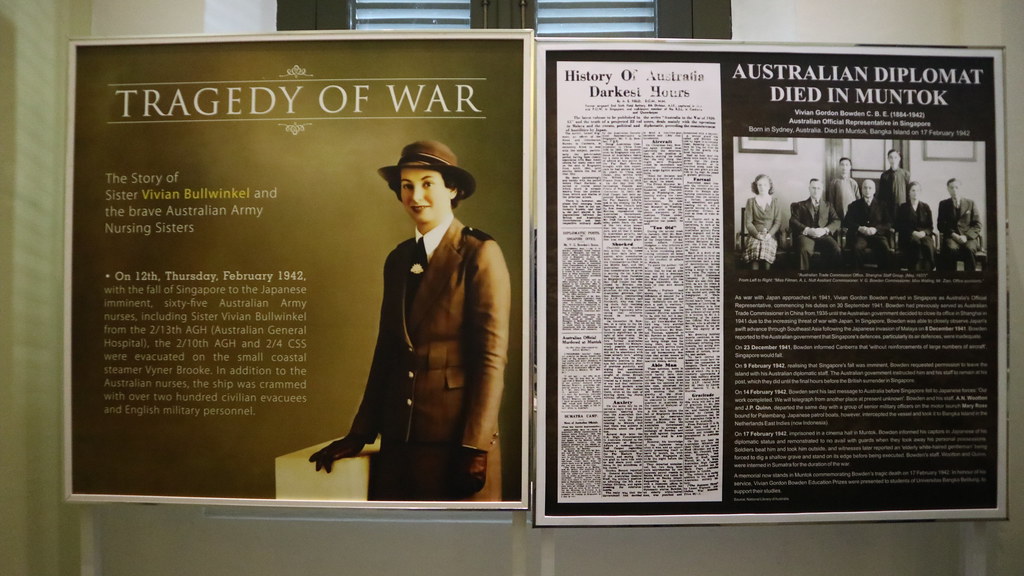
The Silent Witnesses of History: An Exploration of Artifacts and Their Stories
Introduction
In the vast expanse of world history, countless artifacts have served as silent witnesses to the events that shaped our civilization. These objects, imbued with the essence of their time, tell stories of humanity’s triumphs, struggles, and everyday life. This article aims to explore the significance of these historical relics, their contributions to our understanding of the past, and how they continue to influence our present and future.
The Importance of Artifacts in Understanding History
Artifacts provide tangible connections to our ancestors, offering insights into their cultures, economies, and social structures. They are critical for historians and archaeologists who seek to reconstruct historical narratives. Here’s why artifacts matter:
- Physical Evidence: Artifacts serve as physical proof of historical events, validating written accounts and oral traditions.
- Cultural Insight: They reveal the values, beliefs, and daily lives of people from different eras and regions.
- Technological Advancements: Artifacts showcase the technological progress made by civilizations, from tools to architectural marvels.
- Historical Continuity: They highlight the continuity and changes in human behavior and societal structures over time.
Types of Artifacts and Their Historical Context
Artifacts can be classified into various categories based on their function and significance. Below are some prominent types:
1. Tools and Weapons
From the Flint tools of the Paleolithic era to the advanced weaponry of modern civilizations, tools and weapons reflect the technological abilities and craftsmanship of their time.
2. Pottery and Utensils
Pottery provides insights into daily life, trade practices, and cultural exchanges. The styles and materials used can indicate geographical origins and the evolution of artistic expression.
3. Textiles
Fabrics can tell us about the climate, trade routes, and social status. The patterns and dyes used in textiles also reveal cultural identities and technological advancements in dyeing processes.
4. Coins
Coins are not merely currency; they are historical documents that can offer information about economic systems, political powers, and cultural exchanges during their minting period.
5. Architectural Remains
Structures such as temples, palaces, and everyday buildings provide context for social hierarchies, economic activity, and religious practices.
Famous Artifacts and Their Stories
Some artifacts have garnered significant attention due to their historical importance and the stories they tell:
The Rosetta Stone
The Rosetta Stone is a granodiorite stele inscribed with three scripts: Greek, Demotic, and hieroglyphic. Discovered in 1799, it was crucial in deciphering Egyptian hieroglyphs, unlocking the history of ancient Egypt.
The Terracotta Army
Buried with China’s first emperor, Qin Shi Huang, the Terracotta Army consists of thousands of life-sized figures. Discovered in 1974, these soldiers symbolize the emperor’s power and the beliefs in the afterlife prevalent in ancient China.
The Dead Sea Scrolls
Found in the Qumran Caves near the Dead Sea in the late 1940s, these ancient manuscripts include texts from the Hebrew Bible. They offer invaluable insight into Jewish heritage and early Christianity.
The Role of Technology in Artifact Preservation and Study
As we move further into the digital age, technology plays a crucial role in preserving and studying artifacts. Some advancements include:
- 3D Scanning and Printing: These technologies allow for detailed replicas of artifacts, enabling wider access and ensuring their preservation.
- Digital Databases: Online repositories can catalog artifacts and make them accessible to researchers worldwide, fostering collaboration and study.
- Virtual Reality: VR can offer immersive experiences, allowing users to explore historical sites and artifacts from anywhere in the world.
Conclusion
Artifacts are more than mere objects; they are gateways to understanding the complexities of human history. By studying these items, we can piece together the narratives of our ancestors, appreciating their achievements and learning from their mistakes. As custodians of the past, it is our responsibility to protect these treasures and ensure that future generations can uncover and explore their stories.
The journey through history is ongoing, and artifacts will continue to play a crucial role in shaping our understanding of who we are as a global society.


You May Also Like

The Milestones of Human Achievement: A Journey Through World History

The Forgotten Voices: The Role of Women in Shaping World History