-
The Global Tapestry: Interwoven Histories of Humanity
Introduction World history is a complex tapestry woven from countless threads, each representing different cultures, events, and ideas. Understanding this vast narrative requires not just an acknowledgment of major milestones but also an appreciation for the subtler interactions that have shaped societies throughout time. From the rise of ancient civilizations to the globalized world of today, the influences on our collective history are rich and varied. Foto: Dtopeng Kingdom Group The Foundations of Civilization To appreciate the magnitude of world history, we must first explore its foundational elements. Early human societies were primarily hunter-gatherers, but as agriculture developed around 10,000 BCE, the seeds of civilization were sown. This transition led…
-
Mapping the Unexplored Territories: An In-Depth Look at World History Beyond Borders
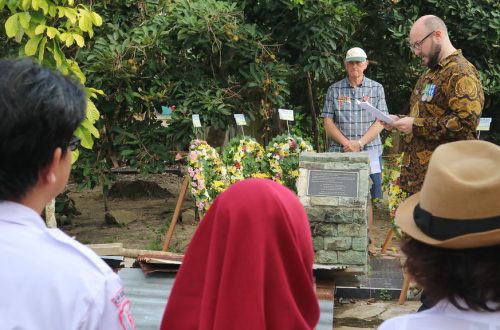
The Essence of World History World history is not merely a sequence of events linked by timelines; rather, it is an intricate tapestry woven from the diverse threads of cultures, civilizations, and peoples. As we venture into the depths of this vast historical landscape, we discover that the essence of world history lies in its multifaceted narratives, shaped by geography, ideology, and human endeavor. Foto: Australian Embassy Jakarta Geography: The Silent Architect of Civilizations Geography has significantly influenced the development and demise of various civilizations throughout history. The natural landscape often acted as a determining factor in where societies flourished or faltered. Here are some key aspects: Rivers and Fertile…
-
Chronicles of Human Endeavor: A Fresh Perspective on World History
The Essence of World History World history is a vast and intricate tapestry woven from the countless narratives and events that have shaped humanity across centuries. It encompasses not just the prominent figures and major wars, but also the everyday lives of people, their cultures, and the environments they inhabited. As we explore this expansive narrative, we can better understand the forces that have molded our societies and the lessons they impart. Foto: Australian Embassy Jakarta The Intersection of Cultures One of the most fascinating aspects of world history is the intersection of different cultures. Throughout time, various civilizations have exchanged ideas, beliefs, and technologies, leading to innovation and growth.…
-
Tracing the Threads of Time: The Evolution of Human Societies and Their Interconnections
Introduction The study of world history is not merely an account of events; it is a rich tapestry woven with the threads of human experiences, cultures, and ideas. Understanding this intricate network can provide profound insights into how societies evolve and interrelate. This article will delve into the evolution of human societies, exploring their connections and the pivotal changes that have shaped the course of history. Foto: Australian Embassy Jakarta The Early Foundations of Society Human history can be traced back to the dawn of civilization, marked by the emergence of agricultural practices and the establishment of settlements. Approximately 10,000 years ago, the transition from nomadic lifestyles to settled agriculture…
-
The Unwritten Chronicles: Uncovering the Hidden Influences of World History
Introduction History is often thought of as a structured timeline punctuated by well-documented events and notable figures. However, beneath the surface lies a vast narrative of unwritten chronicles that subtly shape our world today. This article seeks to illuminate these hidden influences, revealing how they affect modern society. Foto: DMUSE MAGZ The Hidden Forces of History While significant events are recorded in textbooks, there are countless less-celebrated phenomena that have quietly molded civilizations over time. These include: Cultural Exchange: Trade routes, migrations, and exploration have facilitated the exchange of ideas, technologies, and customs, fostering cultural diversity and innovation. Social Movements: Grassroots movements often spark significant change, yet they may not…
-
The Echoes of History: How Cultural Heritage Shapes Our Modern Identity
Introduction The exploration of world history reveals a complex tapestry woven from diverse cultures, beliefs, and events that have shaped humanity. As we navigate through this intricate narrative, we begin to understand how our cultural heritage not only defines who we are but also influences our journey into the future. In this article, we will delve into the significance of cultural heritage in world history and its lasting impact on contemporary society. Foto: DMUSE MAGZ The Significance of Cultural Heritage Cultural heritage encompasses the traditions, languages, art, and collective memories passed down through generations. It serves as a bridge connecting the past to the present, providing context and meaning to…
-
A Journey Through the Ages: Understanding Historical Milestones and Their Impact
Introduction The narrative of world history is a tapestry woven with a multitude of threads—each thread representing events, cultures, and individuals that have shaped our world. From ancient civilizations to modern societies, history offers invaluable insights into how we have arrived at our current state. This article aims to explore key milestones in world history and their profound impact on the present and future. Foto: Atlas Mapper The Birth of Civilization Human history is often divided into various epochs, with the birth of civilizations marking a significant turning point. Around 3000 BCE, societies began to form in regions such as Mesopotamia, Egypt, and the Indus Valley. These early civilizations laid…
-
The Shifting Sands of Time: A Closer Look at World History’s Influence on Modern Society
Introduction World history is a vast and intricate tapestry woven from countless stories, events, and trends. As we delve into the intricate shifts in time, we uncover how historical narratives have shaped our modern society. Understanding these dynamics provides insight into the present and can illuminate paths for the future. Foto: Dtopeng Kingdom Group The Ancient Foundations of Civilization To appreciate the complexities of today’s world, we must first explore the ancient civilizations that laid the groundwork for human society. Mesopotamia: The Cradle of Civilization Often referred to as the cradle of civilization, Mesopotamia introduced significant innovations: Writing and Record Keeping: The invention of cuneiform around 3200 BCE allowed for…
-
The Continuum of Change: Understanding the Evolution of World Cultures
The Continuum of Change World history is a vast narrative woven from countless threads of cultures, ideas, and events. As we journey through time, understanding the evolution of world cultures reveals the dynamic nature of human societies and their interrelations. Foto: Australian Embassy Jakarta The Roots of Cultural Exchange Cultural exchange has always been fundamental to the development of societies. From ancient trade routes to modern digital communication, the sharing of ideas, beliefs, and customs has shaped the trajectory of civilizations. The Silk Road: This ancient trade network connected the East and West, allowing not only for the exchange of goods but also for cultural, religious, and technological interactions that…
-
Unveiling the Layers of World History: A Comprehensive Exploration
Introduction World history is a rich tapestry woven from countless threads of human experience, ideology, and conflict. It presents a complex narrative filled with lessons about our past, providing insights into contemporary society. Understanding this intricate evolution enables us to appreciate the diversity of cultures, the emergence of nations, and the interconnectedness of our global community. Foto: Kurdistan Photo كوردستان The Birth of Civilizations The journey of world history can be traced back to the earliest civilizations, which laid the groundwork for future societies. The Sumerians in Mesopotamia, the Indus Valley Civilization in South Asia, and the ancient Egyptians were among the first to develop writing, architecture, and governance. These…