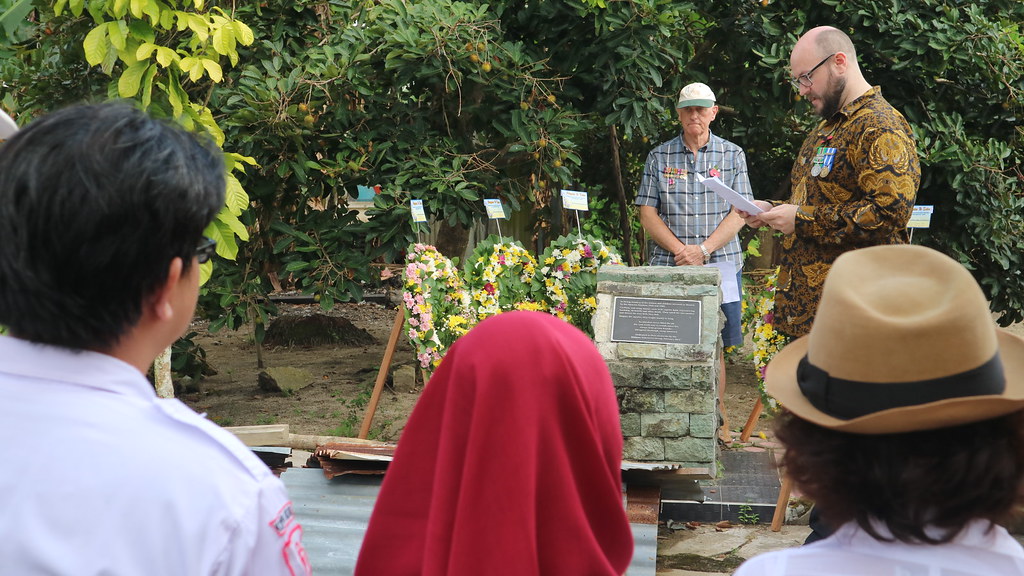
The Unwritten Chapters: A New Perspective on World History
Introduction
World history is often told through well-trodden narratives that focus on prominent figures, significant wars, and major revolutions. However, the story of humanity is far more intricate, comprising countless unwritten chapters and perspectives that have shaped our shared existence. In this article, we delve into these lesser-known aspects of world history, offering fresh insights that challenge traditional narratives and broaden our understanding of the past.
Re-examining Historical Narratives
Historical narratives tend to center around dominant cultures and powerful leaders. Yet, the tapestry of history is enriched by diverse voices and experiences. This section highlights how re-examining these narratives can unveil essential truths about humanity.
1. The Role of Everyday Individuals
- Common People: The contributions of everyday individuals often go unnoticed in history books. From artisans to farmers, their daily lives shaped societies.
- Resistance Movements: Grassroots movements have often sparked significant change. The stories of women and marginalized communities frequently unearth a wealth of untold history.
- Preservation of Cultures: Everyday practices, traditions, and languages of local communities offer insights into humanity’s resilience and adaptability, preserving memories that might otherwise be lost.
2. The Impact of Local Events on Global Patterns
While major historical events dominate the headlines, local events often serve as catalysts for broader changes. Here are a few examples:
- The Role of Trade Cities: Cities like Timbuktu and Venice were hubs of commerce, facilitating cultural exchanges that influenced societies worldwide.
- Environmental Changes: Local ecological shifts can lead to migrations or societal transformations, such as the impact of the Little Ice Age on European agriculture in the 17th century.
- Community Resilience: How communities adapt to disasters, both natural and man-made, can inform future resilience strategies on a larger scale.
Voices from the Margins
Throughout history, many voices have been marginalised, preventing a comprehensive understanding of global civilizations. This section sheds light on those perspectives.
1. Indigenous Knowledge Systems
Indigenous cultures possess a wealth of knowledge about sustainable living, biodiversity, and ecological balance that has been overlooked in mainstream history. By integrating indigenous perspectives into historical discourse, we can learn valuable lessons on coexistence and sustainability.
2. Gender Perspectives in History
The role of women throughout history has often been sidelined. Shifting the lens to include women’s experiences reveals a more nuanced picture of societal developments.
- Women in Leadership: Figures like Cleopatra and Empress Dowager Cixi had significant political influence but are frequently overshadowed by their male counterparts.
- Women’s Movements: The history of feminist movements has not only transformed societies but has also been pivotal in shaping modern human rights discussions.
Case Studies of Lesser-Known Events
Several lesser-known events have significantly impacted world history. Here are a few examples that merit further exploration.
1. The Taiping Rebellion (1850-1864)
This massive civil war in China was one of the deadliest conflicts in history, resulting in millions of deaths. It reshaped Chinese society and laid the groundwork for future revolutions, yet often remains overshadowed by other historical narratives.
2. The Haitian Revolution (1791-1804)
The first successful slave uprising leading to the establishment of Haiti as the first independent black republic fundamentally challenged the global understanding of race and freedom and has influenced anti-colonial movements worldwide.
3. The Fall of the Sasanian Empire (651 CE)
The downfall of this ancient Persian empire marked a significant shift in the power dynamics of the Middle East and laid the foundation for the rise of Islamic civilization, yet it often goes unnoticed in broader discussions of world history.
Interdisciplinary Approaches to World History
Integrating various academic disciplines can enrich our understanding of history. Here are some methodologies that can provide new insights:
- Anthropology: Examining cultural practices and social structures can illuminate how different societies have evolved over time.
- Archaeology: Unearthing artifacts allows us to piece together societies that lived long ago, providing context to historical narratives.
- Environmental History: Understanding how environmental factors influence human societies can reshape our view of historical events and patterns.
Challenging the Traditional Timeline
The conventional timeline of world history often adheres to a Eurocentric view. By challenging these timelines, we can create a more balanced perspective.
1. Global Synchronization of Events
Parallel developments in different regions, such as the spread of agriculture, the rise of cities, and the emergence of religions, illustrate that history is not linear but rather a complex web of interconnections.
2. Revisiting “Civilization” Narratives
Terms like “civilization” are often used to categorize societies based on Western ideals. By broadening this definition, we can appreciate the diversity of human development.
Conclusion
World history is a dynamic and multifaceted narrative that extends beyond familiar stories of power and conquest. By honoring the voices of the marginalized, recognizing the significance of local events, and employing interdisciplinary approaches, we can create a richer, more inclusive understanding of our collective past. As we move into the future, embracing these unwritten chapters of history will help cultivate a more empathetic and interconnected world.

You May Also Like
The Silent Witnesses of History: An Exploration of Artifacts and Their Stories
The Unraveling Tapestry of Global Narratives: A Deep Dive into World History