-
The Rise and Fall of Empires: Lessons from World History
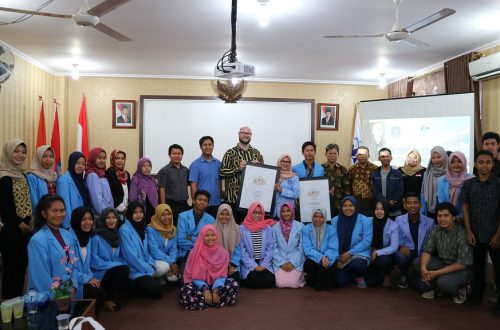
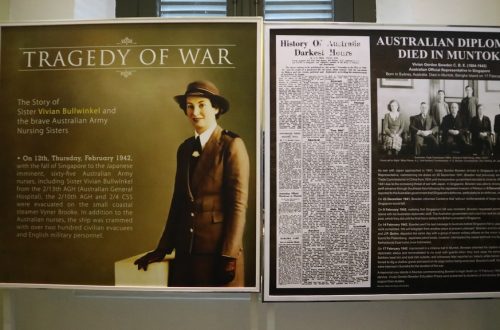
Introduction The annals of world history are rich with tales of empires that have risen to greatness only to fall into decline. Understanding these cycles provides valuable lessons not only for historians but for policymakers and leaders of today. This article explores the key factors that contribute to the rise and fall of empires, drawing on examples from various periods to highlight common themes. Foto: Australian Embassy Jakarta What Defines an Empire? Before delving into the cycles of rise and fall, it is essential to define what constitutes an empire. Generally, an empire is a large political unit that rules over diverse territories and peoples, usually gained through conquest or…
-
The Chessboard of History: Strategic Moves that Shaped Nations
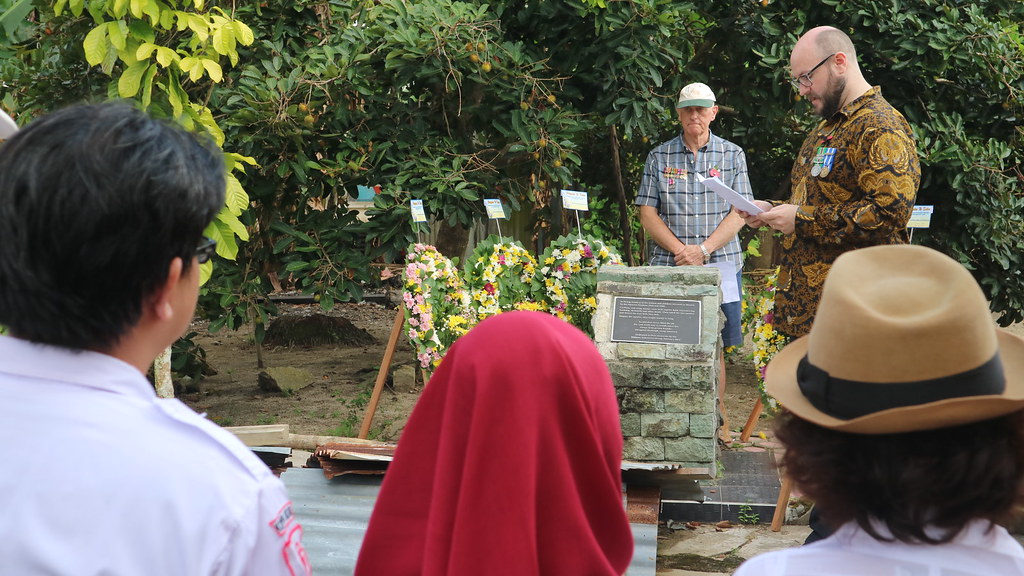
The Chessboard of History: Strategic Moves that Shaped Nations Throughout history, the world has been a vast chessboard, where leaders, nations, and empires made strategic moves that profoundly influenced the course of human civilization. Each moment on this board, from the rise and fall of empires to the establishment of alliances, tells a story of ambition, conflict, and resolution. In this article, we explore pivotal strategies that shaped nations across various eras and regions. Foto: Australian Embassy Jakarta The Ancient Game: Strategies of Empire Ancient civilizations understood the importance of strategy, not only in war but also in diplomacy and trade. The strategic positioning of empires like Rome and Persia…
-
Exploring the Unsung Narratives of World History: A Perspective Shift
Introduction to Forgotten Narratives World history is often portrayed through the lens of prominent figures, grand events, and notable civilizations. However, beneath this well-trodden path lie numerous unsung narratives that have significantly influenced the course of history. This article aims to shed light on these lesser-known stories, emphasizing how they have shaped cultural identities and societal norms across the globe. Foto: Australian Embassy Jakarta Understanding Contextual Significance To appreciate the richness of world history, it’s essential to understand the context in which these unsung narratives developed. These stories often arise during periods of turmoil, transition, or transformation. Examples of Contextual Influences Economic Shifts: The rise of trade networks altered power…
-
The Fabric of Time: Understanding the Interconnections in World History
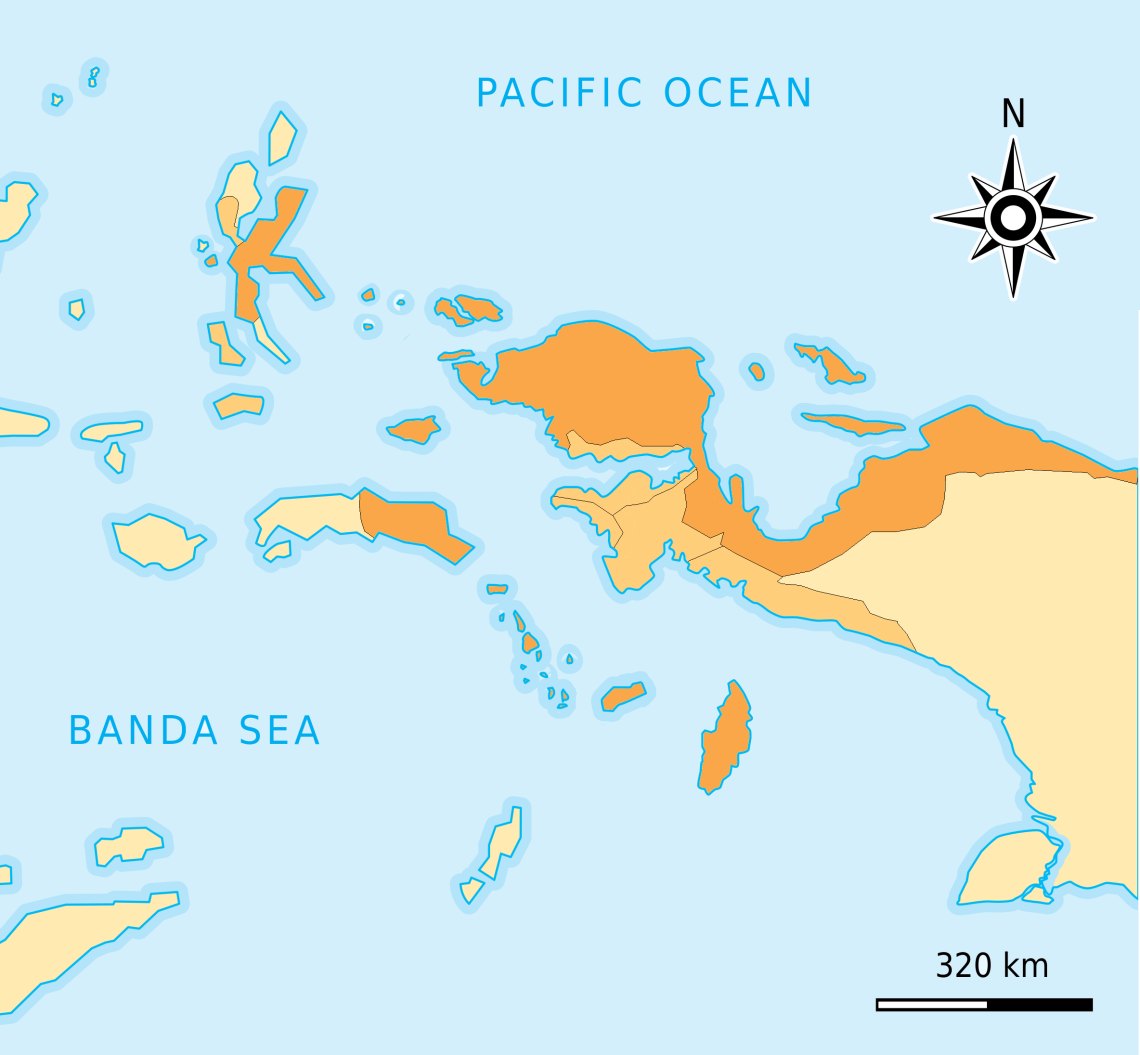
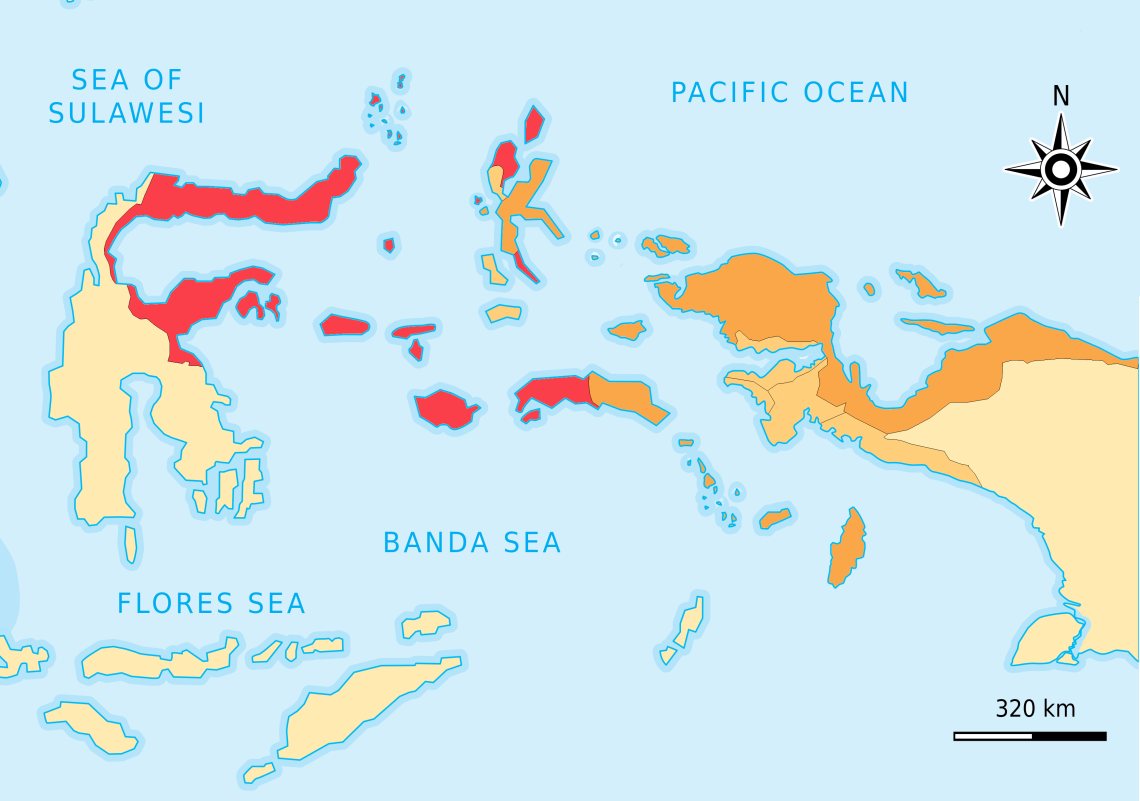
The Interwoven Nature of World History World history is not merely a collection of dates and events; it is a complex tapestry of interconnections that span across cultures, economies, and political systems. This complexity can often be overlooked in traditional historical narratives that tend to isolate events and developments in individual silos. However, an understanding of these interwoven connections provides a richer and more nuanced perspective of our shared past. Foto: Atlas Mapper The Concept of Connected Histories Connected histories encompass the idea that history should be viewed through the lens of relationships between different peoples and societies rather than through a purely nationalistic or linear approach. This framework can…
-
The Role of Innovation and Invention in Shaping World History
Introduction Innovation and invention have always been at the heart of human progress, influencing every aspect of life throughout history. From the earliest tools made by our ancestors to the technological marvels of today, these advancements have shaped societies, economies, and cultures worldwide. This article explores the pivotal role that innovation and invention played in shaping world history, highlighting key developments and their enduring impacts. Foto: Australian Embassy Jakarta The Birth of Innovation: Prehistoric Times In the beginning, humans relied on basic tools made from stones and wood. The ability to create tools marked a significant turning point in human history, enabling our ancestors to hunt efficiently, gather food, and…
-
The Dawn of Civilization: A Deep Dive into the Early Foundations of World History
Introduction: The Roots of Humanity Understanding world history begins with acknowledging the emergence of early civilizations. These foundational societies laid the groundwork for cultural, political, and technological advancements that shaped the world as we know it today. This article delves into the early stages of civilization, exploring how they evolved and the lasting legacies they left behind. Foto: Australian Embassy Jakarta The Agricultural Revolution: A Turning Point The Agricultural Revolution, which began around 10,000 BCE, was one of humanity’s most significant shifts. It marked the transition from nomadic hunter-gatherer lifestyles to settled agricultural practices. This change allowed for: Food Surplus: With the domestication of crops and animals, communities could produce…
-
The Tides of Change: Analyzing the Influence of Migration on World History
The Tides of Change: Migration’s Role in Shaping World History Migration has always been an intrinsic part of human civilization. From the earliest days of humankind to the present, the movement of peoples across regions and continents has profoundly influenced cultures, economies, and social structures. Understanding migration’s impact allows us to grasp the complexities of world history. Foto: Australian Embassy Jakarta 1. The Early Waves of Migration The story of migration begins with our ancestors. Around 70,000 years ago, early humans began migrating out of Africa, marking the start of a global journey. This initial migration was driven by the search for resources, climate changes, and the need for safety.…
You May Also Like
The Intersection of Conflict and Cooperation: A New Era in World History
-
The Forgotten Voices: The Role of Women in Shaping World History
Introduction Throughout history, the contributions of women have often been overshadowed by their male counterparts. Yet, women have played crucial roles in shaping societies, cultures, and events across the globe. This article delves into the often-overlooked narratives of women and their significant influence on world history, illustrating how their voices have echoed through time. Foto: Australian Embassy Jakarta The Silent Architects of Civilization In many ancient civilizations, women were not merely passive observers but active participants in the growth and development of societies. From ancient Sumer to the Roman Empire, women contributed to various aspects of life: Economics: Women were integral in managing households and engaging in trade. In Mesopotamia,…
-
Threads of Time: How Environmental Elements Shaped the Course of Human History
Introduction The history of our world is not just defined by the actions of humans; it is also significantly shaped by the environment around us. From the climatic conditions that influenced the rise and fall of civilizations to the availability of natural resources that dictated trade routes and migration patterns, the relationship between humanity and the environment has always been a dynamic force. Foto: DMUSE MAGZ The Climate and Its Crucial Role Climate has been a principal factor in determining the development of cultures and societies. The Little Ice Age (approximately 1300 to 1850) is one such period that had profound effects across Europe and beyond. Impact on Agriculture The…
-
The Dynamics of Power: A Historical Overview of Governance Shifts
Introduction to Governance in World History The evolution of governance has played a pivotal role in shaping world history. From early tribal systems to modern democracies, the ways in which societies have organized themselves politically reflect both their values and their circumstances. This article delves into the transformative moments in governance that have defined civilizations throughout history. Foto: Atlas Mapper The Rise of Ancient Civilizations In the dawn of civilization, governance often occurred in the form of tribal leadership, where elders or chiefs made decisions based on customs and communal needs. However, as populations grew and societies became more complex, there was a need for more structured forms of governance.…