Understanding the Role of Women in World History: Unseen Contributions and Empowerment
Introduction
Throughout history, women have played pivotal roles in shaping societies, yet their contributions often go unrecognized. From ancient civilizations to modern movements, women’s impact has been integral to cultural, political, and social developments. This article explores the multifaceted roles women have played across various eras, shedding light on their contributions and the ongoing struggle for empowerment.
Women in Ancient Civilizations
In ancient societies, women held diverse positions, often depending on their cultural context. While some civilizations restricted women’s roles primarily to the domestic sphere, others allowed them significant autonomy and influence.
Mesopotamia and Egypt
- Mesopotamia: Women in Mesopotamian societies could own property, manage businesses, and participate in religious activities. Notable women like Enheduanna, a high priestess, left behind a rich legacy of literature.
- Egypt: Egyptian women enjoyed various rights, including legal recognition and the ability to inherit wealth. Figures like Hatshepsut, one of the few female pharaohs, demonstrated that women could wield political power.
The Medieval Era: Guardians of Knowledge
The Middle Ages saw women as custodians of knowledge and culture, particularly within monastic communities. While many were relegated to traditional roles, others made substantial contributions to literature and education.
Women in Monasteries
- Education: Nuns often served as educators, preserving classical texts and translating important works. Figures like Hildegard of Bingen exemplify how women contributed to philosophical and theological discourse.
- Literature: Women writers like Christine de Pizan emerged, challenging societal norms through their works, advocating for women’s rights and education.
The Renaissance: A Time for Rebirth
The Renaissance marked a shift in gender perspectives as women began to emerge in the arts and sciences. Despite facing societal constraints, many challenged the status quo.
Women in the Arts
- Patrons and Artists: Women like Isabella d’Este and Artemisia Gentileschi played vital roles in promoting the arts. Gentileschi’s work, often reflecting her experiences, broke barriers in a male-dominated field.
- Scientific Contributions: Figures like Maria Sibylla Merian made significant advancements in natural history and entomology, often overlooked due to their gender.
Women in the Modern Era: Activism and Change
As the world entered the 19th and 20th centuries, women increasingly became catalysts for societal change through activism, suffrage movements, and participation in the workforce.
The Suffrage Movement
- Early Activists: Leaders like Susan B. Anthony and Emmeline Pankhurst fought tirelessly for women’s voting rights, changing the political landscape.
- Global Influence: Women’s suffrage movements became a global phenomenon, influencing countries worldwide to grant women the right to vote.
World Wars and Workforce Participation
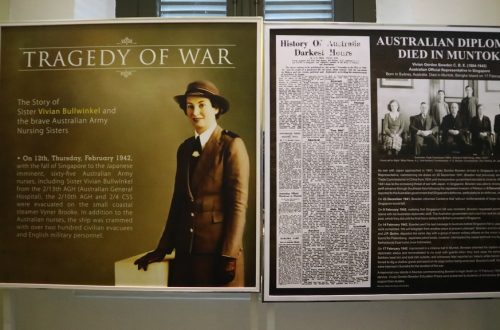
- WWI and WWII: The world wars necessitated women’s entry into the workforce, challenging traditional gender roles. Women took on roles in factories, nursing, and even military positions.
- Post-War Impact: The societal changes initiated during the wars laid the groundwork for future generations to advocate for gender equality.
Contemporary Contributions and Challenges
Today, women continue to make significant strides in various fields, from politics to technology. However, challenges remain regarding gender equality, representation, and rights.
Women in Leadership
- Political Participation: Women like Kamala Harris and Jacinda Ardern have broken barriers in political leadership, inspiring future generations.
- Corporate Leadership: Women are increasingly taking up key positions in corporate sectors, though pay gaps and underrepresentation persist.
Ongoing Challenges
- Gender-Based Violence: Despite progress, gender-based violence remains a critical issue worldwide, highlighting the need for continued advocacy.
- Access to Education: In many regions, girls still face barriers to education, affecting their ability to contribute fully to society.
Conclusion
The history of women is a rich tapestry woven with resilience, creativity, and strength. Recognizing the contributions of women throughout history not only honors their legacy but also paves the way for future advancements in gender equality and empowerment. As we continue to navigate a complex world, understanding this history is essential in fostering a more inclusive future.


You May Also Like
The Forgotten Voices: The Role of Women in Shaping World History

Chronicles of Resilience: The Role of Societal Movements in Shaping World History