-
The Impact of Migration on World History: Journey of Peoples and Cultures
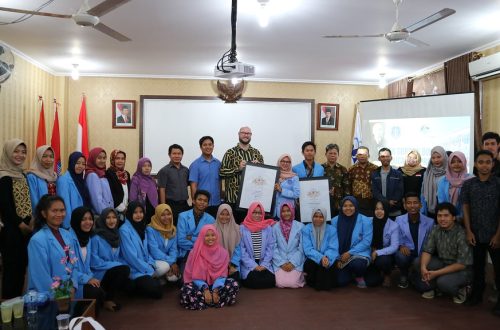
Introduction The history of humanity is intricately tied to the movements of people across the globe. Migration has not only shaped societies but has also served as a catalyst for cultural exchange, conflict, and innovation. From ancient nomadic tribes to modern refugees, the story of migration is a rich tapestry that reveals the resilience and adaptability of human beings. Foto: Dtopeng Kingdom Group Understanding Migration Migration refers to the movement of individuals or groups from one place to another, often across political or cultural boundaries. This phenomenon can be voluntary, such as seeking better economic opportunities, or forced, like fleeing conflict or persecution. Examining migration through history provides insights into…
-
The Influence of Religion: How Faith Shaped World History
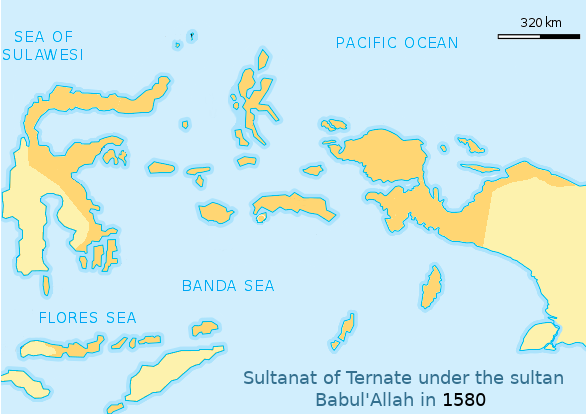
The Power of Belief in Shaping Civilizations Religious beliefs have played a significant role in the development of world history, influencing everything from governance to social structures. Over the millennia, various faiths have emerged, evolved, and intertwined, creating a rich tapestry of influence that continues to shape our societies today. Foto: Atlas Mapper Early Religions and Their Societal Impact The earliest forms of spirituality can be traced back to prehistoric times, where animism laid the groundwork for future religions. As human societies transitioned from nomadic lifestyles to settled agricultural communities around 10,000 BCE, more structured belief systems began to emerge. Polytheism: Ancient civilizations such as the Egyptians, Greeks, and Romans…
-
The Evolution of Human Rights: A Historical Perspective
The Significance of Human Rights in World History The concept of human rights has evolved dramatically over centuries, reflecting the changing values, struggles, and aspirations of humanity. The quest for dignity, freedom, and justice has been a focal point in various cultures and societies, shaping modern governance and social justice movements. Foto: AtlasMapper Ancient Foundations of Human Rights Although the formal term ‘human rights’ emerged in the 20th century, its roots can be traced back to ancient civilizations. Early legal codes, such as the Code of Hammurabi in Babylon around 1754 BC, established principles of justice and retribution. Similarly, ancient Greece introduced ideas of citizenship and civic rights, although these…
-
The Role of Trade in Shaping Global History: A Journey Through Time
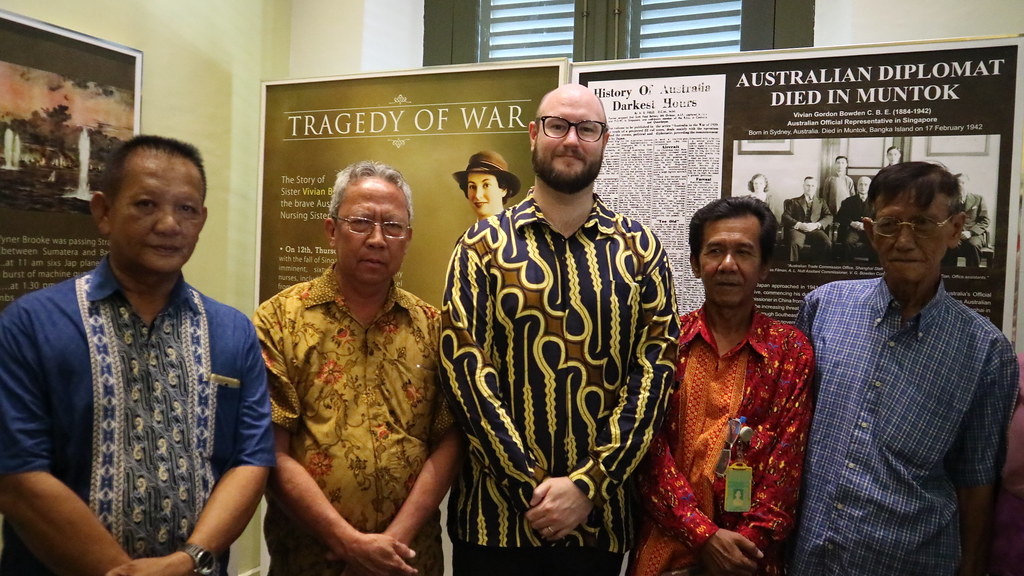
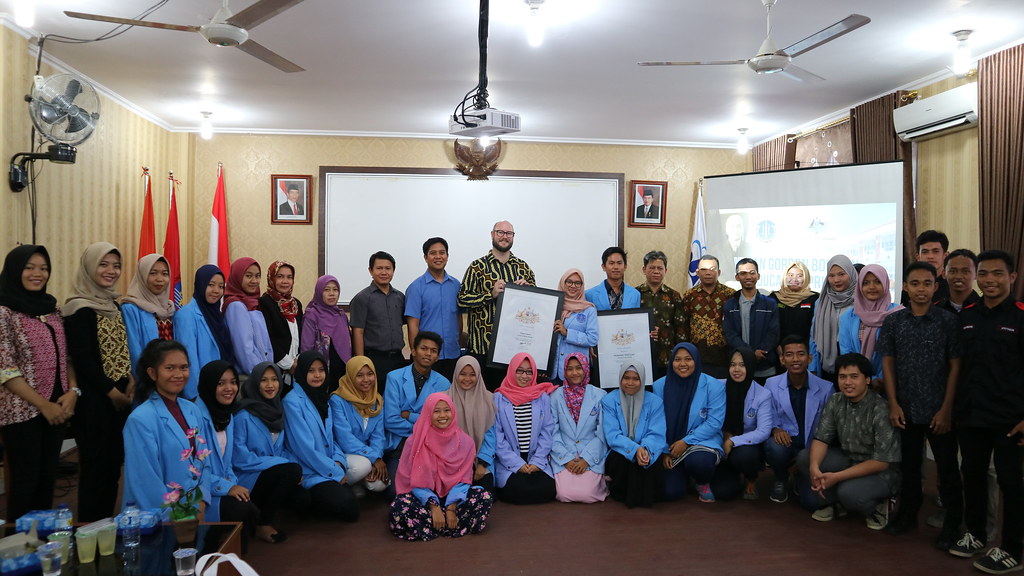
Introduction Throughout history, trade has been a fundamental element in the evolution of civilizations. From ancient bartering systems to the sophisticated global markets we see today, trade has not only facilitated the exchange of goods but also ideas, cultures, and technologies. In this article, we delve into the significant role that trade has played in shaping our world, examining key historical events and trends that illustrate its impact. Foto: Australian Embassy Jakarta The Dawn of Trade: Early Civilizations Trade can be traced back to the earliest human societies. As communities began to settle and agriculture flourished, the need for trade emerged. The establishment of early trade routes set the stage…
-
How Cloth Changed World History: Silk Roads, Cotton Mills, and the Threads That Wove Civilization Together
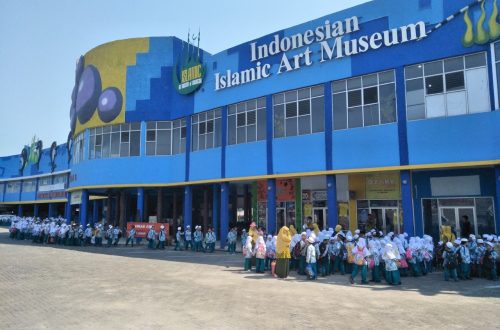
Every morning, you make a decision that connects you to five thousand years of world history: you get dressed. The cotton in your t-shirt, the polyester in your jacket, the silk in a wedding dress — each fiber carries a story of empire, invention, exploitation, and exchange. Long before steel, oil, or silicon, fabric was the commodity that moved the world. It built the first global trade networks, sparked the Industrial Revolution, fueled the Atlantic slave economy, and today sits at the center of debates about sustainability and labor. Follow the thread, and you follow the history of civilization itself. Foto: Kurdistan Photo كوردستان Silk: The Thread That Stitched Continents…
You May Also Like
History of Money: From Cowrie Shells to Digital Currency
-
The Invention of Writing: How 5,000 Years of Words Built the Modern World
Ask a historian where history begins, and you might expect an answer involving kings, battles, or the fall of empires. Instead, most will point to something quieter: a small piece of wet clay in ancient Mesopotamia, pressed with wedge-shaped marks by a reed stylus. That unassuming moment, more than 5,000 years ago, is the dividing line between prehistory and history itself. Before writing, human knowledge lived and died with memory. After it, ideas could outlive their thinkers, travel farther than any ship, and accumulate across generations. The invention of writing may be the single most consequential technology humans have ever created, and its long, surprising story explains more about the…
-
How Maps Changed World History: Cartography, Power, and the Lines That Rule Our Lives
Pull out your phone, pinch the screen, and the whole planet rearranges itself beneath your thumb. It feels ordinary now, almost boring. Yet for most of human history, knowing what the world looked like was a rare and dangerous privilege. Maps were state secrets, sacred objects, and weapons of conquest. Empires rose because someone drew a coastline correctly, and nations bled because someone else drew a border badly. The story of world history is, in a very real sense, the story of how we learned to picture the world — and how those pictures came to control us. Foto: Australian Embassy Jakarta The First Maps: Clay, Stone, and Memory Long…
-
How Disease Changed World History: The Plagues and Pandemics That Shaped Civilization
When we tell the story of world history, we usually hand the credit to generals, kings, inventors, and revolutionaries. But some of the most powerful forces shaping human civilization were invisible to the naked eye. Microbes have toppled golden ages, emptied cities, decided the outcomes of wars, and redistributed wealth on a scale no conqueror ever managed. In 2026, with the world still absorbing the lessons of COVID-19 and governments implementing the WHO Pandemic Agreement adopted in May 2025, understanding how disease shaped the past feels less like trivia and more like essential knowledge. Foto: Australian Embassy Jakarta Why Microbes Deserve a Place in World History For most of human…
-
History of Money: From Cowrie Shells to Digital Currency
Think about the last thing you bought this morning. Maybe you tapped your phone against a terminal or scanned a QR code at a coffee stall. That quick gesture is the latest chapter in a story stretching back more than 5,000 years — a story of shells and salt, gold coins and paper promises, and now digital tokens moving across the planet in milliseconds. The history of money is, at its core, the history of human trust. Following that story explains why empires rose, why trade routes formed, and why the financial world of 2026 looks the way it does. Foto: Atlas Mapper Before Money: A World Built on Barter,…
-
From Uruk to Megacity: A World History of Cities and the 6,000-Year Experiment We’re Still Living In
Stand in the middle of Tokyo, Jakarta, or New York today and you are standing inside the longest-running experiment in world history. The city — that dense, noisy, brilliant tangle of strangers — has been humanity’s favorite invention for roughly six thousand years. More than half of us now live in urban areas, and by 2050 the United Nations projects that figure will approach 70 percent. Yet the basic questions cities ask us have barely changed since mud-brick walls first rose in Mesopotamia: How do we live together? Who gets what? And what do we owe the stranger next door? Foto: Australian Embassy Jakarta This is the story of how…