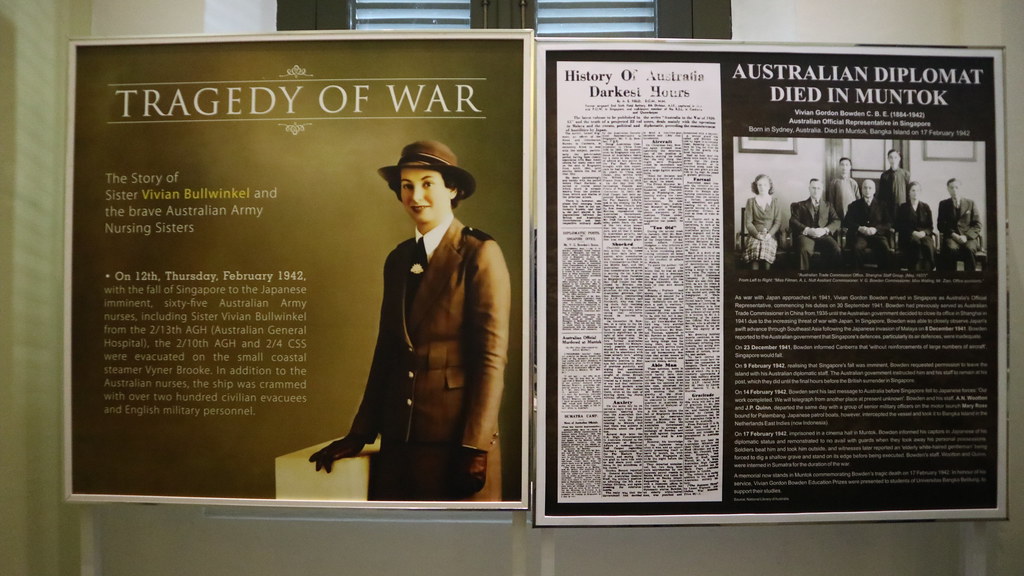
The Unseen Connections: How Everyday Lives Shaped World Events
Introduction
Throughout history, the actions of ordinary people have played a pivotal role in shaping the world we live in today. While grand events often steal the spotlight, small, everyday occurrences have equally influenced the course of history. This article explores how these seemingly insignificant moments and the lives of common individuals have left indelible marks on global events and narratives.
Moments of Impact in Everyday Life
Everyday life across different cultures has been characterized by unique moments that shifted perspectives and practices. Here are some examples of such moments:
- The Rise of the Common Man: In various societies, the common person has risen against oppressive regimes, sparking revolutions. Events like the French Revolution in 1789 were fueled by ordinary citizens demanding change, showcasing the power of grassroots movements.
- Local Innovations: Everyday inventions have changed the way people live and interact. For instance, the introduction of the printing press in the 15th century democratized information, allowing common people access to literature and education.
- Cultural Exchange: Markets, festivals, and communal gatherings have historically served as platforms for cultural exchange. The Silk Road is a prime example, where merchants not only traded goods but also shared ideas, beliefs, and innovations.
Everyday Heroes and Their Legacies
Countless individuals have made significant contributions to society through their everyday actions, often with little recognition. For instance:
- Harriet Tubman: Known for her role in the Underground Railroad, she was a beacon of hope for many enslaved individuals. Her efforts in advocating for freedom and equality demonstrate how one person’s actions can inspire a movement.
- The Suffragettes: Women in the late 19th and early 20th centuries fought tirelessly for voting rights. Their grassroots campaigns and relentless spirit led to monumental changes in legislation and women’s roles in society.
- The Everyday Inventor: From the creation of common household tools to innovations in communication, ordinary inventors have changed daily life. Consider the impact of the telephone or the light bulb; these inventions transformed not just industries but everyday interactions.
Connecting Global Events to Local Actions
As world events unfold, the actions of individuals at the local level have ripple effects that reach far beyond their communities. Here’s how:
- Protests and Social Movements: Movements such as Black Lives Matter started from grassroots initiatives where people stood up against injustice. These actions have not only brought local issues to light but also shaped global conversations about race and equality.
- Displacement and Migration: Events such as wars or economic downturns generate waves of migration. The stories of these migrants often highlight the personal struggles and bravery of individuals, reminding us of the human condition amidst larger social issues.
- Environmental Awareness: Local activists fighting against pollution or advocating for sustainable practices contribute to a broader global movement towards environmentalism. Their voices raise awareness and influence policy changes at international levels.
Lessons from History: The Power of Collective Memory
The narratives we construct about history often focus on leaders and wars. However, the collective memory shaped by ordinary lives can offer profound insights. Here are some lessons:
- Unity in Diversity: The blending of cultures and shared stories from ordinary people emphasize that while differences exist, a common humanity remains. This understanding can lead to collaboration and peace.
- The Value of Every Voice: The historical significance of everyday actions reiterates the importance of inclusivity. Every voice matters in the narrative of society, contributing to a more comprehensive understanding of history.
- Empathy Across Time: Learning about the lives of ordinary individuals throughout history cultivates empathy in the present. Recognizing shared struggles and triumphs can unify disparate groups today.
Conclusion
The study of world history often overlooks the impactful roles that ordinary individuals have played in shaping society. From grassroots movements to everyday innovations, the threads of personal stories weave a rich tapestry that transcends time and geography. By appreciating these connections, we not only understand our past better but also empower ourselves to influence the future positively.


You May Also Like

Exploring the Lesser-Known Milestones in World History
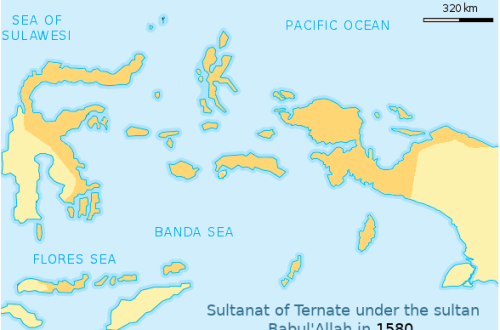
The Untold Stories: Unraveling the Lesser-Known Events that Shaped World History