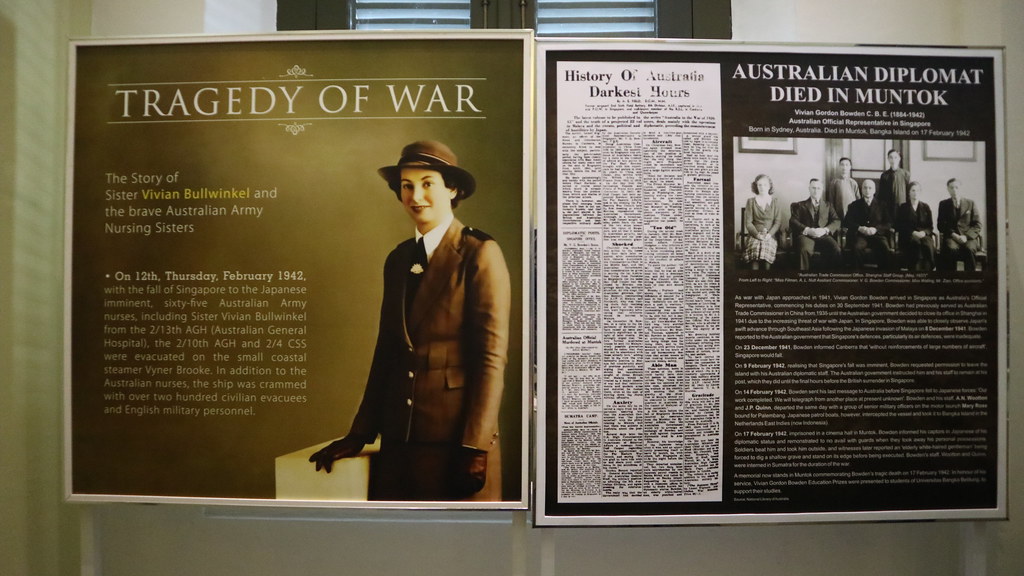
The Crucial Events That Redefined World History: A Deep Dive
Introduction to World History
World history is a vast tapestry woven from countless people, cultures, and milestones. Each thread in this tapestry tells a story of human experience, struggle, and triumph. Understanding these events is vital to grasping how our past continues to influence our present and future.
Key Historical Events That Shaped Global Perspectives
Throughout history, certain events have resonated across nations, altering the course of civilizations and shaping the global landscape. Here, we explore some of these pivotal moments.
The Discovery of the New World (1492)
The journey of Christopher Columbus in 1492 marked a significant turning point in world history. This event not only opened the Americas to European exploration but also led to centuries of colonization, trade, and cultural exchanges that profoundly impacted both Europe and indigenous populations.
The Industrial Revolution (18th – 19th Century)
Beginning in the late 18th century, the Industrial Revolution transformed society. Innovations in machinery and manufacturing reshaped economies, led to urbanization, and altered the daily lives of millions. This shift laid the groundwork for modern economic systems and social structures.
World War I and Its Aftermath (1914 – 1918)
World War I was a catastrophic conflict that altered political boundaries and created socio-economic turmoil worldwide. The Treaty of Versailles not only ended the war but imposed significant reparations on Germany, sowing seeds for future conflict and changing the global power dynamics forever.
The Civil Rights Movement (1950s – 1960s)
The Civil Rights Movement in the United States represented a significant struggle for equality and justice. It inspired global movements for civil rights, advocating for social justice and influencing many nations to reevaluate systemic inequalities and discrimination.
The Fall of the Berlin Wall (1989)
The fall of the Berlin Wall marked the end of the Cold War and symbolized the triumph of democracy over totalitarianism. This event not only led to German reunification but also initiated a wave of democratic movements across Eastern Europe, reshaping international relations.
Impact of Technology on World History
Technological advancements have consistently played a critical role in shaping the course of history. From the printing press to the internet, technological innovations have revolutionized communication, commerce, and governance.
The Printing Press (1440)
The invention of the printing press by Johannes Gutenberg allowed for the mass production of books. This democratization of knowledge facilitated the spread of ideas, leading to the Renaissance and the Reformation, which profoundly altered religious and cultural landscapes.
The Internet Revolution (Late 20th Century)
The emergence of the internet has transformed how societies function, affecting everything from commerce to social interaction. Digital communication has transcended geographical barriers, fostering globalization and creating a new paradigm for human connection.
Cultural Exchanges as a Driving Force
As cultures interact, they exchange ideas, beliefs, and traditions, which can result in significant changes and developments.
The Silk Road
The Silk Road was not merely a series of trade routes; it was a conduit for cultural exchange and interaction between the East and West. It facilitated the spread of technologies, religious beliefs, and cultural practices, which have profoundly shaped civilizations.
The Columbian Exchange
The Columbian Exchange refers to the widespread transfer of plants, animals, culture, human populations, and technology between the Americas and the Old World following Columbus’s voyages. This exchange had lasting impacts on global agriculture and diets, demonstrating how interconnected our world has become.
Conclusion: Reflecting on Our Shared Past
Understanding world history is not just about memorizing dates and events. It’s about recognizing the interplay of various factors that have shaped human society. The events discussed in this article are just a few examples of how the past continues to influence our present. By studying history, we gain insights that enable us to navigate our future.


You May Also Like
The Chronicles of Change: An In-depth Look at Key Innovations in World History
Reflections on Civilization: The Crucial Moments That Shaped Our World